
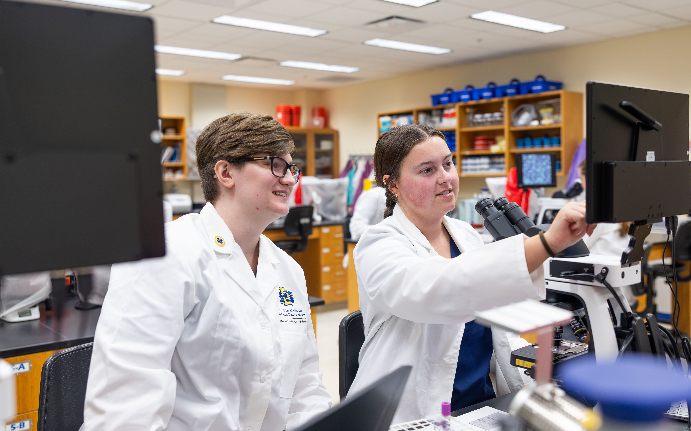


Are you someone who has always been fascinated by the science behind medical diagnoses? Do you find yourself curious about how doctors determine what’s wrong with patients through laboratory tests? If you’re nodding yes right now, then pursuing Medical Laboratory Science might just be the perfect career path for you.
- What is Medical Laboratory Science (MLS)?
- What is the Role of Medical Laboratory Scientists
- The Structure of MLS Programs in Nigeria
- Why You Should Consider Studying Medical Laboratory Science
- Career Opportunities and Job Security
- Financial Benefits and Salary Expectations
- Making a Real Impact in Healthcare
- JAMB UTME Requirements for MLS (Medical Laboratory Science)
- O’Level Requirements You Must Meet
- What is the Exact UTME Subject Combination for MLS?
- Here are the four subjects you must register for:
- Direct Entry Requirements for Medical Laboratory Science
- 1. GCE Advanced Level (‘A’ Level) Passes
- Top Universities Offering Medical Laboratory Science in Nigeria
- Federal Universities with MLS Programs
- State and Private Universities for MLS
- Choosing Based on Your Circumstances:
- Step-by-Step Topic Mastery Approach
- Pro Tips for Post-UTME Success:
- Frequently Asked Questions (FAQs)
- What’s the difference between JAMB cut-off marks and the actual admission scores, and how can I know if my score is truly competitive enough for my chosen university?
But here’s the thing, before you can step into those pristine laboratories and start analyzing blood samples or detecting diseases, you need to cross one major bridge: getting the right JAMB subject combination.
I understand that navigating JAMB requirements can feel overwhelming, especially when there’s so much conflicting information floating around. You might be asking yourself, “What subjects do I need to register for?” or “Will my O’Level results qualify me?” Trust me, I’ve seen countless brilliant students miss their dream of studying MLS simply because they chose the wrong subjects during JAMB registration. That’s exactly why I’ve put together this guide to ensure you don’t make those costly mistakes.
In this detailed article, I’ll walk you through everything you need to know about JAMB requirements for Medical Laboratory Science. From the exact subject combination to O’Level prerequisites, Direct Entry options, top universities, and even preparation strategies that actually work—I’ve got you covered.
Whether you just finished secondary school or you’re considering switching your course, this guide will answer all your questions. So grab a cup of tea, get comfortable, and let’s embark on this journey together toward your MLS admission success.
What is Medical Laboratory Science (MLS)?
Before going into subject combinations and requirements, let me first paint a clear picture of what Medical Laboratory Science actually entails. You see, when most people think about healthcare, their minds immediately jump to doctors and nurses. But here’s what many don’t realize behind every accurate diagnosis, there’s a medical laboratory scientist working diligently to provide the crucial data that doctors rely on.
Medical Laboratory Science, which you’ll often see abbreviated as MLS, is essentially the backbone of modern healthcare diagnostics. It’s a specialized field that focuses on analyzing various body specimens—blood, urine, tissues, cells, and other bodily fluids—to detect diseases, monitor ongoing treatments, and help physicians make informed medical decisions.
What is the Role of Medical Laboratory Scientists

Let me elaborate on this further because understanding the scope of this profession is crucial for your decision-making process. As a medical laboratory scientist, you won’t just be confined to one type of testing. Your training will cover multiple specialized areas, each with its own fascinating challenges and opportunities.
First, there’s clinical chemistry, where you’ll analyze blood and body fluids to evaluate organ function, drug levels, and metabolic conditions. Then you have hematology, which involves studying blood cells, blood clotting mechanisms, and disorders like leukemia or sickle cell disease.
Microbiology is another exciting area where you’ll identify bacteria, viruses, fungi, and parasites causing infections—imagine being the person who confirms whether a patient has malaria, tuberculosis, or even COVID-19.
But that’s not all. You’ll also work in immunology and serology, testing for antibodies and antigens to diagnose autoimmune diseases, allergies, and infectious conditions. Histopathology and cytology involve preparing and examining tissue samples to detect cancer and other abnormalities. And if you’re particularly tech-savvy, molecular diagnostics offers opportunities to work with DNA/RNA analysis, genetic testing, and personalized medicine—the future of healthcare.
What really excites me about this field is how rapidly it’s evolving. With advancements in technology, medical laboratory scientists are now at the forefront of precision medicine, using sophisticated equipment like mass spectrometers, flow cytometers, and automated analyzers that can process hundreds of samples simultaneously.
The Structure of MLS Programs in Nigeria
Now that you understand what MLS is all about, let’s talk about the educational pathway. In Nigeria, Medical Laboratory Science is structured as a five-year undergraduate program that leads to a Bachelor of Medical Laboratory Science (BMLS) degree. Yes, five years and I know that might sound long, but let me assure you, every single year is packed with valuable knowledge and practical skills that will shape your entire career.
The program typically follows this progression: Your first year covers foundational sciences, general biology, chemistry, physics, mathematics, and basic anatomy. This foundation is crucial because it prepares you for the more specialized courses ahead. During your second and third years, you’ll dive deeper into core MLS subjects like medical microbiology, clinical chemistry, hematology, immunology, and parasitology.
You’ll spend considerable time in laboratories, learning how to operate equipment, conduct tests, and interpret results accurately.
Your fourth year is where things get really exciting this is when you’ll undertake clinical rotations in teaching hospitals and diagnostic centers.
You’ll work alongside experienced laboratory scientists, handling real patient samples and participating in actual diagnostic processes. This hands-on experience is invaluable; it’s where classroom theory meets real-world application.
Finally, your fifth year typically involves a research project where you’ll contribute original findings to the field, plus additional advanced coursework to round out your expertise.
After graduation, you’re not quite done yet. To practice legally in Nigeria, you must complete a one-year internship program and then register with the Medical Laboratory Science Council of Nigeria (MLSCN)
. This licensing body ensures that all practicing laboratory scientists meet professional standards and maintain ethical practices. Once you’re fully licensed, you’ll have the designation of a Registered Medical Laboratory Scientist, which opens doors to countless opportunities both within Nigeria and internationally.
What I love most about the Nigerian MLS curriculum is how comprehensive it is. You’re not just learning to perform tests; you’re understanding the underlying science, developing critical thinking skills, mastering quality control procedures, and even learning laboratory management and safety protocols. By the time you graduate, you’ll be equipped to work in any healthcare setting, from rural health centers to ultra-modern research facilities.
Why You Should Consider Studying Medical Laboratory Science
At this point, you might be thinking, “This sounds interesting, but is it really the right choice for me?” Let me share some compelling reasons why MLS could be one of the smartest career decisions you’ll ever make. I’m not just throwing around empty promises here—these are facts backed by current industry trends and real-world experiences from practicing laboratory scientists across Nigeria.
Career Opportunities and Job Security
Let’s start with what matters most to many students: job prospects. Here’s a reality check—Nigeria’s healthcare system is expanding rapidly, and with a population exceeding 200 million people, the demand for qualified healthcare professionals, especially medical laboratory scientists, has skyrocketed. Currently, there’s a significant shortage of trained laboratory personnel across the country. What does this mean for you? It means exceptional job security.
Statistics show that over 90% of MLS graduates secure employment within six months of completing their mandatory internship. Think about that for a moment, while graduates from many other disciplines are struggling to find jobs years after graduation, you could be earning a steady income just months after finishing your program. This isn’t speculation; it’s the current reality in Nigeria’s healthcare sector.
But the opportunities don’t stop at traditional hospital employment. As an MLS graduate, you have multiple career pathways available. You could work in government hospitals and teaching institutions, providing diagnostic services that directly impact patient care. Private hospitals and diagnostic centers are constantly seeking skilled laboratory scientists, often offering competitive packages to attract top talent.
If research excites you, pharmaceutical companies, biotechnology firms, and research institutes need laboratory scientists to conduct drug trials, quality control testing, and product development.
There’s also the entrepreneurial angle that many people overlook. With your MLS qualification, you can establish your own diagnostic center or mobile laboratory service. Imagine running a successful business while still contributing to healthcare—it’s entirely possible and increasingly common. Some graduates even venture into medical equipment sales and maintenance, leveraging their technical knowledge to bridge the gap between manufacturers and healthcare facilities.
Financial Benefits and Salary Expectations
Now let’s talk about money, because as much as we love the idea of helping people, we also need to pay bills and live comfortably, right?
Entry-level medical laboratory scientists in Nigerian government hospitals typically earn between ₦150,000 and ₦300,000 monthly, depending on the state and specific institution. That’s just the starting point. As you gain experience and possibly pursue postgraduate qualifications, your earning potential increases significantly.
In private hospitals and diagnostic chains, salaries can be even higher, ranging from ₦250,000 to ₦500,000 or more for experienced professionals. If you specialize in high-demand areas like molecular diagnostics or clinical chemistry, you become even more valuable. Senior laboratory scientists and those in management positions can earn upwards of ₦800,000 monthly, plus benefits like housing allowances, transportation, and health insurance.
But here’s what really sweetens the deal—international opportunities. MLS qualifications from accredited Nigerian universities are recognized in many countries, including the United States, United Kingdom, Canada, Australia, and several Middle Eastern nations.
After gaining some local experience, you could pursue opportunities abroad where salaries are significantly higher. Medical laboratory scientists in countries like the UK or Canada can earn the equivalent of ₦1.5 million to ₦3 million monthly or more, depending on their specialization and location.
Additionally, the field offers excellent potential for professional growth and additional income streams. You can earn extra by conducting consultancy services, teaching part-time in universities or training institutions, writing scientific articles, or even offering specialized testing services on a freelance basis. The financial stability that comes with an MLS career provides a solid foundation for building wealth and achieving your personal financial goals.
Making a Real Impact in Healthcare
Beyond the practical benefits of job security and good pay, there’s something deeply fulfilling about working in Medical Laboratory Science—the knowledge that your work genuinely saves lives. Let me paint a scenario for you. Imagine you’re working a routine shift when a critically ill child is rushed into the emergency department. The doctors need immediate answers to start treatment.
You quickly process the blood samples and discover severe malaria parasitemia. Thanks to your accurate and timely diagnosis, the medical team administers the right antimalarial drugs, and within days, that child recovers completely. That’s the power of what you’ll do.
Or consider this: You’re conducting routine screening tests and notice abnormal cells in a patient’s sample that suggest early-stage cancer. Because you caught it early, that patient receives treatment before the cancer spreads, dramatically improving their survival chances. These aren’t hypothetical situations they happen every single day in laboratories across Nigeria. Your attention to detail, your expertise, and your commitment to accuracy literally make the difference between life and death.
The impact extends beyond individual patients too. During disease outbreaks like the COVID-19 pandemic we recently experienced medical laboratory scientists were on the frontlines, conducting thousands of tests daily to track infections, inform public health decisions, and help contain the spread. Your work contributes to epidemiological surveillance, disease prevention programs, and public health policy. You become part of Nigeria’s healthcare infrastructure, helping to build a healthier nation.
There’s also tremendous satisfaction in being part of the scientific community. You’ll have opportunities to conduct research, publish findings in scientific journals, attend conferences, and contribute to advancements in diagnostic technology. As medical science evolves, you’ll be learning and growing throughout your career, which keeps the work intellectually stimulating and prevents the monotony that plagues many other professions.
JAMB UTME Requirements for MLS (Medical Laboratory Science)

Alright, now we’re getting to the heart of the matter, the JAMB requirements that you absolutely must get right if you want to study Medical Laboratory Science. I cannot emphasize enough how critical this section is. Every year, I see talented students who would make excellent laboratory scientists get disqualified during the admission process simply because they didn’t meet the basic requirements or chose the wrong subject combination. Don’t let that be you.
O’Level Requirements You Must Meet
Before you even think about registering for JAMB, you need to ensure your O’Level results are in order. This is your foundation, and without meeting these minimum standards, your JAMB score won’t matter—you simply won’t be considered for admission. Let me walk you through exactly what you need, step by step.
Step 1: Verify Your Credit Count You must have a minimum of five (5) credit passes in your O’Level examinations. These credits must be at grade C6 or better (meaning A1, B2, B3, C4, C5, or C6). Anything below C6—like D7, E8, or F9 doesn’t count as a credit pass. This might seem obvious, but I’ve seen students try to argue that their D7 in Mathematics should count because it’s “almost a C6.” It doesn’t work that way.
Step 2: Check Your Sitting Combination These five credit passes must be obtained in not more than two sittings. What does this mean? It means you can combine results from two different O’Level examination sittings (for example, WAEC and NECO, or two separate WAEC sittings), but you cannot combine results from three or more sittings.
Most competitive universities actually prefer candidates who obtained all five credits in one sitting, so if you can achieve that, you’ll have an advantage during the selection process.
Step 3: Confirm the Specific Subjects This is where many students trip up. For Medical Laboratory Science, the five credit passes must include these specific subjects, and I mean specifically these—no substitutions allowed:
- English Language – This is compulsory for every course in Nigerian universities. You must have a credit in English Language; there’s absolutely no way around it.
- Mathematics – Essential for statistical analysis, laboratory calculations, and understanding scientific data. Even though you won’t write Mathematics in JAMB for MLS, you absolutely need a credit in it at O’Level.
- Biology – This is the foundation of all life sciences. Biology covers human anatomy, physiology, cell biology, genetics, and ecology—all crucial for understanding disease processes and diagnostic procedures.
- Chemistry – Laboratory science is heavily chemistry-based. You’ll be dealing with chemical reactions, reagents, solutions, and analytical procedures throughout your career. A credit in Chemistry is non-negotiable.
- Physics – Many students wonder why Physics is required for MLS. The answer is simple: laboratory equipment like microscopes, centrifuges, spectrophotometers, and other diagnostic machines operate on physical principles. Understanding Physics helps you grasp how these instruments work and troubleshoot when issues arise.
Step 4: Verify Your Exam Type The acceptable O’Level examinations are WAEC (West African Examinations Council), NECO (National Examinations Council), NABTEB (National Business and Technical Examinations Board), and GCE (General Certificate of Education). These are the only examination results that Nigerian universities recognize for admission purposes. If you wrote any other examination, you’ll need to sit for one of these accepted exams.
Step 5: Handle Two-Sitting Scenarios Properly If you’re combining results from two different sittings, you must indicate this clearly when filling your JAMB form and during the institution’s Post-UTME registration. For example, if you got four credits in your first WAEC sitting and one additional credit in your NECO sitting to complete the five, make sure both examination details are captured correctly. Also, ensure that none of the five compulsory subjects (English, Math, Biology, Chemistry, Physics) appears twice across your two sittings—universities want to see that you passed all five different subjects.
Pro Tip for Improving Your Chances: While C6 is the minimum acceptable grade for each subject, top universities like University of Ibadan (UI), Obafemi Awolowo University (OAU), and University of Nigeria, Nsukka (UNN) have very high standards. If you’re targeting these competitive institutions, aim for mostly A’s and B’s in your O’Level subjects. During the selection process, when two candidates have similar JAMB scores, the one with better O’Level grades often gets the admission slot. So if you’re currently preparing for WAEC or NECO, put in the extra effort to score high it will definitely pay off.
What is the Exact UTME Subject Combination for MLS?
Here are the four subjects you must register for:
1. Use of English (Compulsory) English Language is compulsory for every single course offered in Nigerian universities, not just MLS. In your JAMB exam, you’ll be tested on comprehension passages, vocabulary, grammar, sentence correction, and various aspects of English usage.
Even though it’s compulsory for everyone, don’t make the mistake of underestimating this subject. The English section can significantly affect your overall score. Many students lose valuable points here because they assume English is easy and don’t prepare adequately.
Let me give you some specific guidance on the English section.
You’ll encounter different question types: lexis and structure (testing grammar and sentence construction), comprehension passages (where you’ll read texts and answer questions about them), oral English (testing pronunciation and stress patterns), and sometimes summary writing or essay evaluation.
To excel in this section, practice reading diverse materials , newspapers, novels, academic articles. Work on expanding your vocabulary by learning new words daily and understanding their usage in context. Practice past JAMB English questions to familiarize yourself with the question patterns and improve your speed.
2. Biology Biology forms the core foundation of Medical Laboratory Science. In your JAMB exam, you’ll be tested on topics spanning the entire secondary school Biology curriculum. This includes cell biology and organization of life, classification of living things, evolution and adaptation, ecology and environmental studies, genetics and variation, human anatomy and physiology (including all organ systems), reproduction in plants and animals, and nutrition in plants and animals.
The Biology section tends to be quite detailed, so you need thorough preparation. Start by reviewing your secondary school Biology textbooks particularly “Modern Biology” by Sarojini T. Ramalingam, which is excellent for Nigerian students.
Pay special attention to human physiology because this directly relates to what you’ll study in MLS. Understand processes like digestion, respiration, circulation, excretion, coordination (nervous and hormonal control), and reproduction. These topics frequently appear in JAMB questions.
Also, don’t neglect the practical aspects of Biology. JAMB sometimes includes questions about laboratory procedures, how to use microscopes, specimen identification, and experimental setups.
If you can, try to participate in laboratory sessions at school or visit a science laboratory to familiarize yourself with equipment and procedures. This practical knowledge will not only help you in JAMB but will also give you a head start once you begin your MLS program.
3. Chemistry Chemistry is absolutely essential for Medical Laboratory Science because virtually every diagnostic test involves chemical reactions and principles. Your JAMB Chemistry exam will cover topics like atomic structure and bonding, the periodic table and periodicity, chemical equations and stoichiometry, acids, bases, and salts, oxidation and reduction, rates of chemical reactions, chemical equilibrium, organic chemistry (including hydrocarbons, alcohols, alkanoic acids), and electrochemistry.
For many students, Chemistry can be challenging, but with the right approach, you can master it. I recommend using “New School Chemistry” by Osei Yaw Ababio as your primary textbook. it’s comprehensive and written in a way that’s easy to understand. Focus on understanding concepts rather than just memorizing formulas. When you understand why reactions occur and how different chemicals behave, you’ll find it easier to solve even unfamiliar problems.
Pay particular attention to chemical calculations (stoichiometry) because this is where many students lose marks. Practice balancing equations, calculating moles, determining concentrations, and working with chemical formulas.
Also, familiarize yourself with the periodic table, know the groups, periods, and the properties of different elements. Organic chemistry is another high-yield area; make sure you can identify different functional groups, understand nomenclature, and predict how organic compounds will react under various conditions.
4. Physics Physics rounds out your JAMB subject combination for MLS. You might be wondering why Physics is necessary for a laboratory science career. The answer lies in the fact that all laboratory equipment and diagnostic instruments are based on physical principles. Understanding Physics helps you comprehend how these tools work, interpret their readings accurately, and troubleshoot problems when they arise.
Your JAMB Physics exam will test you on mechanics (motion, forces, energy, work, and power), heat and thermodynamics, waves and sound, electricity and magnetism, light and optics, and modern physics (including atomic structure and radioactivity). The optics section is particularly relevant for MLS because microscopy, a fundamental laboratory technique—is based entirely on optical principles.
To prepare for Physics, I recommend “Senior Secondary Physics” by P.N. Okeke or similar comprehensive textbooks.
Physics requires a strong mathematical foundation, so make sure your basic mathematics skills are solid. Practice solving numerical problems because JAMB Physics questions often involve calculations. Work on understanding the units of measurement, how to convert between different units, and how to apply formulas correctly.
Don’t just memorize formulas; understand what each variable represents and how they relate to real-world phenomena.
For example, when studying electricity, don’t just memorize Ohm’s Law (V = IR); understand what voltage, current, and resistance actually mean, how they interact, and how this applies to operating electrical laboratory equipment. This deeper understanding will serve you well both in JAMB and throughout your MLS studies.
Critical Warning: No Substitutions Allowed I cannot stress this enough—you must register for exactly these four subjects: English, Biology, Chemistry, and Physics. I’ve seen students make devastating mistakes by substituting one of these science subjects with something else. For instance, some students choose Agricultural Science thinking it’s close enough to Biology, or they pick Geography instead of Physics. This is a critical error that will disqualify you from studying MLS, regardless of your total score.
JAMB’s system is automated, and during the admission process, universities’ systems automatically filter out candidates whose subject combinations don’t match the required combination for each course. If you register for the wrong subjects, you won’t even be considered for admission to MLS, even if you score 350 out of 400. So please, double-check your subject combination before finalizing your JAMB registration. It’s better to spend an extra few minutes confirming than to waste an entire year because of a preventable mistake.
Direct Entry Requirements for Medical Laboratory Science
Not everyone follows the traditional JAMB UTME route into Medical Laboratory Science.
If you’ve already obtained certain qualifications beyond secondary school, you might be eligible to apply through Direct Entry.
Qualifications Accepted for Direct Entry
Direct Entry is designed for candidates who have completed specific tertiary qualifications that demonstrate readiness for advanced study in Medical Laboratory Science. However, not just any tertiary qualification will work—it must be in a relevant field and meet minimum grade requirements. Here are the various qualifications that Nigerian universities typically accept for Direct Entry into MLS:
1. GCE Advanced Level (‘A’ Level) Passes
If you wrote A’Level examinations, you need a minimum of two passes in relevant subjects to qualify for Direct Entry. The acceptable subject combinations are:
- Chemistry plus Biology
- Chemistry plus Physics
- Chemistry plus Zoology
- Chemistry plus Botany
Notice that Chemistry is constant—you absolutely must have Chemistry. The second subject should be another science closely related to MLS. Some universities, particularly competitive ones like University of Ibadan or Ahmadu Bello University, may require three A’Level passes instead of two. For instance, Afe Babalola University (ABUAD) specifically requires Chemistry, Physics, and Biology/Zoology.
2. National Diploma (ND) or Higher National Diploma (HND)
If you completed an ND or HND program in Medical Laboratory Technology or a closely related field, you can apply through Direct Entry. However, your grades matter tremendously here. Most universities require:
- Minimum of Upper Credit for ND graduates
- Minimum of Upper Credit for HND graduates
Some universities accept Lower Credit, but this significantly limits your options, and you’ll likely be competing for fewer slots. If you graduated with Distinction, you’re in an even stronger position and will have more choices.
Relevant programs include Medical Laboratory Technology, Science Laboratory Technology with appropriate specializations, Biochemistry, Microbiology, and similar science-based disciplines. Make sure your ND/HND program is from a recognized institution accredited by the National Board for Technical Education (NBTE).
3. Bachelor’s Degree in Related Sciences
If you already have a B.Sc. degree in a related field and want to pursue MLS (perhaps you’re changing career paths or seeking specialization), you can apply through Direct Entry. The minimum requirement is typically:
- Second Class Lower Division (2:2) in a relevant science discipline
- Some competitive universities require Second Class Upper Division (2:1)
Relevant degree programs include Microbiology, Biochemistry, Biology, Chemistry, Biotechnology, Physiology, Anatomy, or other biological/chemical sciences. Your degree must be from a recognized university accredited by the National Universities Commission (NUC).
4. Professional Nursing or Midwifery Qualifications
Interestingly, some universities accept professional healthcare qualifications as entry points into MLS. If you’re a Registered Nurse (RN) or Registered Midwife (RM) with relevant science credits at O’Level, you may qualify for Direct Entry. This pathway recognizes that you already have healthcare experience and foundational knowledge that can be built upon.
However, requirements vary significantly by institution, so you’ll need to check with your target university. Some may require you to have practiced for a certain number of years, while others accept recent graduates from nursing or midwifery schools.
Important Notes on Direct Entry:
- You still need to meet the O’Level requirements (five credits including English, Mathematics, Biology, Chemistry, and Physics) regardless of your tertiary qualifications
- Different universities have different Direct Entry requirements, so always check the current JAMB brochure or visit the university’s website for specific details
- Some universities admit Direct Entry candidates into 200 level while others admit into 300 level, depending on your qualification
- Direct Entry candidates typically follow a shorter program path (3-4 years instead of 5 years), but you’ll still need to complete the mandatory one-year internship after graduation
How to Apply Through Direct Entry Route
If you’ve confirmed that you qualify for Direct Entry based on the criteria above, here’s a step-by-step guide on how to apply:
Step 1: Obtain Your Direct Entry Form Visit the JAMB office or their official website (www.jamb.gov.ng) to purchase the Direct Entry application form. This is different from the UTME form. You’ll need to create a JAMB profile if you don’t already have one, then select “Direct Entry” as your entry mode. Pay the required fee (currently around ₦5,000, though this may change) through the approved payment channels.
Step 2: Request Your Verification Certificate This is a crucial step that many applicants overlook. For your Direct Entry application to be valid, you need to obtain what’s called an “IJMB Verification Certificate” or equivalent from the institution where you obtained your qualifying certificate (your A’Level center, polytechnic, or university).
For A’Level holders, contact your examination center to request verification of your results. For ND/HND holders, visit your polytechnic’s registry and request a Direct Entry verification certificate—they’ll verify your credentials and upload them to JAMB’s system or provide you with documentation to submit. For degree holders, your university’s registry will provide the necessary verification.
Step 3: Complete Your JAMB Direct Entry Registration Once you have your verification details, log into your JAMB profile and complete the Direct Entry registration form. You’ll need to:
- Select your preferred institutions (up to three choices)
- Choose Medical Laboratory Science as your course of study
- Enter your O’Level details (examination numbers, grades, year)
- Input your tertiary qualification details (institution, course studied, year of graduation, grade obtained)
- Enter your verification certificate number
- Upload required documents (recent photograph, O’Level results, tertiary certificates)
Step 4: Print Your Acknowledgement Slip After successfully completing your registration and payment, print out your acknowledgement slip. This contains your registration number and other important details. Keep this safe—you’ll need it for subsequent processes.
Step 5: Await Admission Screening Unlike UTME candidates who write the JAMB exam, you don’t write UTME as a Direct Entry candidate. However, you’ll still need to participate in your chosen institution’s Post-UTME screening or Direct Entry screening exercise. Monitor your email and the university’s website for information about screening dates, venue, and requirements.
Step 6: Attend Screening and Submit Documents When invited for screening, attend promptly with all required original documents:
- Original and photocopies of your O’Level results
- Original and photocopies of your tertiary certificates (ND, HND, B.Sc., A’Level, or professional certificates)
- Original and photocopies of your transcripts
- JAMB Direct Entry acknowledgement slip
- Birth certificate or age declaration
- State of origin certificate
- Passport photographs
- Any other documents specified by the institution
Step 7: Check Admission Status After screening, regularly check your JAMB profile and the university’s admission portal for your admission status. If offered admission, follow the university’s instructions to accept the offer, pay acceptance fees, and complete registration. Congratulations—you’re now on your way to becoming a medical laboratory scientist!
Pro Tips for Direct Entry Success:
- Apply early—Don’t wait until the last minute to get your verification certificate, as this process can take time
- Target appropriate institutions—If your tertiary qualification has a Lower Credit, focus on less competitive universities where you have better chances
- Maintain your documents—Keep all your original certificates, transcripts, and result statements in excellent condition
- Attend screening prepared—Some universities conduct oral interviews or subject-based tests during Direct Entry screening, so review your core science subjects beforehand
- Have backup options—List three institutions in order of preference to maximize your chances of admission
Top Universities Offering Medical Laboratory Science in Nigeria
Choosing the right university for your Medical Laboratory Science program is almost as important as gaining admission itself.
Different universities offer varying learning experiences, have different strengths, and provide different opportunities. Let me guide you through some of the best options available across Nigeria, categorized by region to help you make an informed decision.
Federal Universities with MLS Programs
Federal universities are often the first choice for many students due to their affordability, quality of education, and national recognition. Here’s a detailed look at some of the best federal universities offering Medical Laboratory Science:
University of Ibadan (UI), Oyo State UI is Nigeria’s premier university and consistently ranks as one of Africa’s top institutions. The Medical Laboratory Science program at UI is housed within the Faculty of Clinical Sciences and is renowned for its rigorous curriculum and excellent laboratory facilities. What makes UI stand out is its teaching hospital, the University College Hospital (UCH), which is one of Nigeria’s best-equipped medical facilities. As an MLS student here, you’ll have access to state-of-the-art equipment and real patient samples from day one of your clinical rotations.
The program at UI emphasizes research, and you’ll have opportunities to participate in groundbreaking studies in areas like infectious disease diagnostics, hematological disorders common in Nigeria (like sickle cell disease), and emerging diagnostic technologies. The faculty members are internationally recognized experts who have published extensively in peer-reviewed journals. However, admission is extremely competitive—the cut-off is typically around 280-300, and even then, Post-UTME performance is crucial.
Ahmadu Bello University (ABU), Zaria, Kaduna State ABU is the largest university in Nigeria and has an excellent reputation for science programs, particularly in Northern Nigeria. The Medical Laboratory Science department at ABU is known for producing graduates who are highly skilled in clinical diagnostics. The university’s teaching hospital, ABU Teaching Hospital Zaria, provides extensive training opportunities in all areas of laboratory medicine.
What I particularly appreciate about ABU is its focus on tropical diseases that are prevalent in Northern Nigeria. As a student here, you’ll gain specialized knowledge in diagnosing and monitoring diseases like tuberculosis, meningitis, and various parasitic infections. The program also has strong ties with international research institutions, providing opportunities for exchange programs and collaborative research projects.
The cut-off for MLS at ABU typically ranges from 250-270, making it highly competitive but slightly more accessible than UI.
University of Nigeria, Nsukka (UNN), Enugu State UNN is one of Nigeria’s most respected federal universities, particularly strong in health sciences. The Medical Laboratory Science program here benefits from the university’s affiliation with the University of Nigeria Teaching Hospital (UNTH) Ituku-Ozalla, which handles a large volume of diverse cases, giving students broad exposure to various diagnostic scenarios.
UNN’s MLS program is particularly strong in molecular diagnostics and research methodology. The university has modern molecular biology laboratories where students learn cutting-edge techniques like PCR, gene sequencing, and advanced immunological assays. If you’re interested in the research aspect of laboratory medicine or considering postgraduate studies later, UNN is an excellent choice. The cut-off typically ranges from 260-280, and the Post-UTME is quite comprehensive, covering all four JAMB subjects plus a practical assessment.
University of Benin (UNIBEN), Edo State UNIBEN’s Medical Laboratory Science program is housed in the School of Basic Medical Sciences and has earned a solid reputation for producing competent laboratory scientists. The University of Benin Teaching Hospital (UBTH) is one of the busiest hospitals in Southern Nigeria, which means students get extensive hands-on experience with a high volume and variety of cases.
What sets UNIBEN apart is its strong industry connections. The university has partnerships with several private diagnostic laboratories and pharmaceutical companies in Lagos and Port Harcourt, providing students with internship opportunities and exposure to commercial laboratory settings. This is invaluable if you’re interested in the business side of laboratory medicine or working in the private sector after graduation. UNIBEN’s cut-off for MLS is typically around 230-250.
Obafemi Awolowo University (OAU), Ile-Ife, Osun State OAU is known for its beautiful campus and strong emphasis on innovation and technology in education. The Medical Laboratory Science program here is modern and forward-thinking, incorporating the latest diagnostic technologies and teaching methods. The Obafemi Awolowo University Teaching Hospitals Complex (OAUTHC) provides excellent training facilities.
OAU has a particular strength in clinical chemistry and hematology, with well-equipped laboratories for these specializations. The university also encourages entrepreneurship among students, offering courses and workshops on starting and managing diagnostic centers. If you’re interested in eventually running your own laboratory business, OAU provides excellent preparation. The admission cut-off typically ranges from 260-280.
State and Private Universities for MLS
While federal universities dominate the conversation about quality education in Nigeria, several state and private universities offer excellent Medical Laboratory Science programs and should not be overlooked. Let me introduce you to some standout options:
Lagos State University (LASU), Lagos State LASU has transformed dramatically over the past decade and now ranks among Nigeria’s top universities. The Medical Laboratory Science program benefits from LASU’s location in Lagos, Nigeria’s commercial hub, which means easy access to numerous healthcare facilities for practical training. LASU Teaching Hospital (LASUTH) and several affiliated hospitals provide diverse clinical exposure.
What makes LASU attractive is its affordability combined with quality. Fees are significantly lower than private universities, yet the program is well-structured and accredited. The university also has strong connections with private diagnostic chains in Lagos, often facilitating job placements for graduates. LASU’s cut-off for MLS is usually around 220-240, making it more accessible than top federal universities. However, as a state university, LASU gives preference to Lagos State indigenes, so if you’re from Lagos, this is an excellent option with better admission chances.
Imo State University (IMSU), Owerri, Imo State IMSU offers a solid Medical Laboratory Science program with a strong focus on community health and disease prevention. The university’s teaching hospital provides adequate training facilities, and the program emphasizes practical skills alongside theoretical knowledge. IMSU is particularly strong in parasitology and microbiology, reflecting the disease patterns common in the southeastern region.
One advantage of IMSU is its relatively lower cut-off (usually around 200-220) and fees, making it accessible to more students. The university has been working to improve its facilities and has recently upgraded several laboratories with modern equipment. If you’re from the southeastern region and looking for quality education at an affordable price, IMSU is worth considering.
Afe Babalola University (ABUAD), Ado-Ekiti, Ekiti State ABUAD is a private university that has quickly established itself as one of Nigeria’s premier institutions, particularly for health sciences. The Medical Laboratory Science program here is exceptional, with ultramodern laboratories equipped with the latest diagnostic technology. The university’s multi-system teaching hospital provides world-class training facilities that rival the best in Africa.
What truly distinguishes ABUAD is the quality of the learning environment. Class sizes are small, allowing for personalized attention from lecturers. The university maintains high standards, and graduates are highly sought after by employers. The curriculum includes international best practices and emerging diagnostic technologies. However, ABUAD is expensive—fees can range from ₦1.5 million to ₦2 million per session. The cut-off is also relatively lower (around 180-200) because fewer students can afford the fees, but admission isn’t automatic; the university conducts thorough screening to maintain quality. If finances aren’t a constraint and you want premium education, ABUAD is an excellent choice.
Covenant University, Ota, Ogun State Covenant is another private university with an outstanding reputation for academic excellence and discipline. While more famous for engineering and business courses, Covenant’s Medical Laboratory Science program is well-structured and highly regarded. The university’s emphasis on character development, leadership skills, and entrepreneurship alongside academics produces well-rounded graduates.
Covenant has a mandatory work-study program where students gain practical experience in various healthcare settings. The university also has strong international partnerships, with opportunities for exchange programs and exposure to global laboratory practices. Fees at Covenant are high (₦1.5 million+ per session), and the environment is highly structured and religious (it’s a Christian mission university). The cut-off is usually around 200-220, but admission criteria extend beyond JAMB scores to include interviews and character assessment.
Babcock University, Ilishan-Remo, Ogun State Babcock is a private Seventh-Day Adventist university with strong health sciences programs. The Medical Laboratory Science program benefits from Babcock University Teaching Hospital, which is well-equipped and handles significant patient volume. The university emphasizes holistic health, research, and ethical practice in laboratory medicine.
What I appreciate about Babcock is its balanced approach—combining rigorous academic training with practical skills and moral education. The university has excellent facilities and maintains strict quality standards. Graduates are known for their competence and integrity. Fees are comparable to other top private universities (₦1.2 million to ₦1.8 million per session), and the cut-off is typically around 200-220.
Comparing Tuition Fees and Facilities
Let me give you a realistic breakdown of what you should expect to pay, because financial planning is crucial for completing your MLS program:
Federal Universities:
- Tuition and mandatory fees: ₦40,000 – ₦80,000 per session
- Accommodation (if you get hostel space): ₦15,000 – ₦40,000 per session
- Total annual costs (including feeding, books, transportation): ₦150,000 – ₦350,000
Federal universities offer the best value for money. However, infrastructure can sometimes be a challenge—overcrowded hostels, occasional lecturer strikes, and aging equipment in some institutions. Still, the quality of education is generally excellent, and the degrees are highly respected.
State Universities:
- Tuition and fees: ₦100,000 – ₦250,000 per session
- Accommodation: ₦30,000 – ₦60,000 per session
- Total annual costs: ₦200,000 – ₦450,000
State universities fall in the middle ground—more expensive than federal but more affordable than private. Facilities vary widely depending on the state’s funding and the university’s management. Some like LASU have excellent facilities, while others struggle with funding.
Private Universities:
- Tuition and comprehensive fees: ₦1,000,000 – ₦2,500,000 per session
- Accommodation (usually included): Included in fees
- Total annual costs: ₦1,200,000 – ₦3,000,000
Private universities are expensive but offer several advantages: modern facilities, smaller class sizes, better learning environment, less frequent strikes, and often better infrastructure. If your family can afford it, private universities provide excellent value. Many offer payment plans to ease the financial burden.
Choosing Based on Your Circumstances:
- Limited budget: Target federal universities or affordable state universities
- Moderate budget: Consider state universities or less expensive private universities
- Comfortable budget: Explore top private universities for premium experience
- Location matters: Choose universities in regions where you have family or support systems to reduce living costs
Remember, the most expensive university isn’t necessarily the best for you. Consider factors like accreditation status (all MLS programs must be accredited by MLSCN), teaching hospital quality, graduate employment rates, and your personal learning style. Some students thrive in the large, diverse environment of federal universities, while others prefer the structured setting of private institutions.
Step-by-Step Guide to Preparing for JAMB MLS Exam
Scoring high in JAMB requires more than just intelligence—it demands strategic preparation, discipline, and using the right resources. I’ve coached numerous students through this process, and I’ve seen firsthand what separates those who score 300+ from those who struggle to reach 200. Let me share a comprehensive preparation strategy that, if followed diligently, will significantly boost your chances of acing the exam.
Creating Your Study Timetable
A well-structured study timetable is your roadmap to JAMB success. Without it, you’re essentially wandering aimlessly through your preparation. Here’s how to create a timetable that actually works:
Step 1: Assess Your Starting Point Before creating your timetable, honestly evaluate where you currently stand. Take a diagnostic test using past JAMB questions for all four subjects. Score yourself honestly. This gives you a baseline and helps you identify which subjects need more attention. For instance, if you scored 40/60 in Biology but only 25/60 in Physics, you know Physics requires more intensive preparation.
Step 2: Determine Your Preparation Timeline How much time do you have before the exam? Ideally, you should start preparing at least 3-4 months before your JAMB date, but even if you have less time, don’t panic—focused preparation can still yield great results. For this example, let’s assume you have four months to prepare.
Step 3: Allocate Study Hours Based on Subject Needs Here’s a sample daily allocation for a 6-hour study day:
- English Language: 1 hour daily (it’s compulsory but often neglected)
- Biology: 1.5 hours daily (vast syllabus, high-yield subject)
- Chemistry: 2 hours daily (challenging for many, needs consistent practice)
- Physics: 1.5 hours daily (requires numerical problem-solving practice)
However, adjust based on your strengths. If you’re naturally strong in Biology but struggle with Chemistry, allocate 2.5 hours to Chemistry and 1 hour to Biology. The goal is to strengthen weak areas while maintaining strong ones.
Step 4: Structure Your Week Don’t study all subjects every single day—that’s mentally exhausting and inefficient. Instead, try this weekly structure:
Monday: Focus on English (2 hours) + Biology (3 hours) Tuesday: Focus on Chemistry (4 hours) + English (1 hour) Wednesday: Focus on Physics (3 hours) + Biology (2 hours) Thursday: Focus on Chemistry (3 hours) + Physics (2 hours) Friday: Balanced review—1 hour each subject + 1 hour past questions Saturday: Full practice test under timed conditions (3 hours) + review (2 hours) Sunday: Light review (2-3 hours) + rest and recreation
This rotation ensures you’re regularly engaging with each subject without mental fatigue from switching subjects too frequently.
Step 5: Include Regular Assessment Every two weeks, take a full mock JAMB exam under actual test conditions—set a timer, no breaks, no distractions. Track your scores over time. This serves two purposes: it measures your progress and helps you build stamina for the actual 2-3 hour computer-based test.
Step 6: Build in Flexibility Life happens—you might have family obligations, feel unwell, or simply need a break. Don’t create an impossibly rigid timetable that you’ll abandon after two weeks. Instead, include buffer days and be prepared to adjust. The timetable is a tool to guide you, not a prison to trap you.
Step 7: Track Your Progress Keep a study journal or use a mobile app to track which topics you’ve covered, which ones you found challenging, and your practice test scores. This helps you see your improvement over time, which is incredibly motivating when preparation feels overwhelming.
Essential Study Materials and Resources
Having the right study materials is like having the right tools for a job—it makes everything easier and more effective. Let me recommend proven resources that have helped countless students excel in JAMB.
Textbooks You Must Have:
For English Language:
- “Essential English” by Ayo Bamgbose – Excellent for grammar and comprehension
- “Effective English” by G. Eyisi – Good for vocabulary building
- “JAMB Past Questions and Answers” – Familiarizes you with question patterns
Focus your English preparation on these areas:
- Vocabulary development: Learn 10 new words daily with their meanings and usage
- Comprehension passages: Practice reading and answering questions within time limits
- Grammar rules: Master tenses, concord, sentence structure, and parts of speech
- Oral English: Study stress patterns, pronunciation, and vowel sounds
For Biology:
- “Modern Biology” by Sarojini T. Ramalingam – Comprehensive and well-organized
- “Biology” by Campbell (if you can access it) – Excellent explanations
- “Essential Biology” by M.B.V. Roberts – Good for quick reviews
Cover these high-priority topics:
- Cell structure and organization: This appears in almost every JAMB exam
- Genetics and variation: Understand Mendel’s laws, inheritance patterns, mutations
- Human physiology: Digestive, respiratory, circulatory, excretory, nervous systems
- Ecology: Food chains, energy flow, ecosystem management, pollution
- Evolution and adaptation: Natural selection, evidence of evolution
- Classification: Be able to identify organisms from different kingdoms and phyla
For Chemistry:
- “New School Chemistry” by Osei Yaw Ababio – The standard textbook for West African students
- “Senior Secondary Chemistry” by Bajah et al. – Good alternative or supplement
- “Chemistry: The Central Science” (if accessible) – For deeper understanding
Key topics to master:
- Atomic structure: Electron configuration, periodic trends
- Chemical bonding: Ionic, covalent, metallic bonds
- Chemical calculations: Mole concept, empirical/molecular formulas, stoichiometry
- Acids, bases, and salts: pH, neutralization, salt preparation
- Organic chemistry: Nomenclature, functional groups, reactions of hydrocarbons
- Rates of reaction and equilibrium: Factors affecting rates, Le Chatelier’s principle
For Physics:
- “Senior Secondary Physics” by P.N. Okeke – Covers the entire JAMB syllabus
- “Physics for Senior Secondary Schools” by M.W. Anyakoha – Good for problem-solving
- “Fundamentals of Physics” by Halliday & Resnick (if you can find it) – Excellent but advanced
Critical areas to focus on:
- Mechanics: Motion equations, Newton’s laws, work, energy, power
- Heat and temperature: Heat transfer, gas laws, thermometers
- Waves and sound: Wave properties, sound characteristics, Doppler effect
- Electricity and magnetism: Ohm’s law, electrical circuits, electromagnetic induction
- Light and optics: Reflection, refraction, lenses, optical instruments
- Modern physics: Atomic structure, radioactivity, half-life
Digital Resources and Apps:
- JAMB CBT Practice Apps:
- “JAMB & Post UTME 2026” by Myschool.ng – Thousands of past questions with explanations
- “JAMB CBT Practice” – Simulates actual exam interface
- “UTME Questions & Answers” – Organized by topic and year
- YouTube Channels:
- “Exam Coach” – Excellent video explanations for all subjects
- “Physics with Mr. Taiwo” – Makes Physics concepts easy to understand
- “Chemistry Class” – Simplified Chemistry lessons
- “Biology Lessons” – Comprehensive Biology topics with diagrams
- Websites:
- www.myschool.ng – Past questions, study materials, mock exams
- www.exambase.ng – Practice tests and study guides
- www.jamb.gov.ng – Official syllabus, updates, and authentic information
- Past Questions (10-15 Years): This is perhaps the most important resource. JAMB repeats questions or uses similar patterns, so practicing past questions gives you a significant advantage. Work through at least 10 years of past questions for each subject, and ensure you understand why each answer is correct.
Step-by-Step Topic Mastery Approach
Let me give you a concrete example of how to tackle a difficult topic – say, Chemical Equilibrium in Chemistry:
Step 1: Read the topic in your main textbook (Ababio). Don’t rush; understand each paragraph.
Step 2: Watch a YouTube video on the same topic for a different explanation and visual aids.
Step 3: Make summary notes in your own words. Include key formulas, important points, and examples.
Step 4: Practice questions from your textbook’s exercise section.
Step 5: Find and solve JAMB past questions specifically on chemical equilibrium.
Step 6: If you’re still confused, discuss with your study group or ask a teacher/tutor.
Step 7: After one week, review your notes again and solve more questions to reinforce learning.
Repeat this process for every challenging topic across all subjects. Yes, it’s time-consuming, but this thorough approach ensures you truly understand rather than just memorize.
Common Mistakes to Avoid During Preparation
Even with the best materials and a solid study plan, students often sabotage their own success through preventable mistakes. Let me highlight the most common pitfalls and how to avoid them:
Mistake #1: Registering for Wrong Subjects I’ve mentioned this before, but it bears repeating because it’s shockingly common. Every year, students discover—sometimes only after the exam—that they registered for the wrong subjects. Double-check, triple-check your subject combination before paying for your JAMB form. For MLS, it’s English, Biology, Chemistry, and Physics. No substitutions. Period.
Mistake #2: Neglecting Use of English Many students assume English is easy because they speak it daily, so they focus all their energy on the science subjects. Big mistake. The English section is tricky, with comprehension passages, vocabulary, and grammar rules that can trip you up if you’re not prepared. Allocate dedicated study time to English—practice comprehension passages, expand your vocabulary, and review grammar rules. Poor performance in English can significantly drag down your overall score.
Mistake #3: Memorizing Without Understanding Science subjects, especially Physics and Chemistry, require understanding, not just memorization. If you simply cram formulas without understanding when and how to apply them, you’ll struggle with JAMB questions that are often application-based rather than purely theoretical.
Always ask “why” and “how”—why does this reaction occur? How do I know which formula to use? Understanding beats memorization every time.
Mistake #4: Poor Time Management Many students spend too much time on subjects they’re already good at (because it feels comfortable) and avoid difficult subjects. This is procrastination disguised as studying. Force yourself to tackle your weakest subject during your most alert study hours. Also, during the actual exam, don’t spend 10 minutes on one difficult question while easier questions remain unanswered. Move on, mark the question for review, and come back to it if time permits.
Mistake #5: Not Practicing with CBT Interface JAMB uses Computer-Based Testing, which is different from traditional pen-and-paper exams. You’ll be clicking through questions on a computer screen with a timer constantly running. If you’ve never practiced with the CBT interface, you might feel disoriented during the actual exam, wasting precious time trying to navigate the system. Download JAMB CBT practice apps and get comfortable with the interface well before exam day.
Mistake #6: Ignoring Physical and Mental Health Studying 12 hours a day for months might seem dedicated, but it’s counterproductive. Your brain needs rest to consolidate information. Burnout is real, and it can devastate your performance. Ensure you’re getting 6-8 hours of sleep, eating nutritious meals, exercising regularly, and taking breaks. A well-rested, healthy brain performs infinitely better than an exhausted, stressed-out one.
Mistake #7: Relying Solely on Expo/Miracle Centers Let me be blunt: exam malpractice schemes (commonly called “expo”) are scams that will ruin your future. Even if they weren’t fraudulent, relying on them means you’ll enter university completely unprepared for the rigorous MLS curriculum. You’ll struggle, possibly fail out, and waste years of your life. There’s no shortcut to success—prepare properly, work hard, and trust in your abilities.
Mistake #8: Starting Too Late “I’ll start next week” turns into “I’ll start next month,” and suddenly JAMB is two weeks away and you’ve barely covered half the syllabus. Start early. Even if you just dedicate one hour daily initially, that’s better than nothing and builds momentum. The earlier you start, the less pressure you’ll feel and the more thoroughly you can prepare.
Mistake #9: Not Reviewing Mistakes Taking practice tests is great, but if you don’t review your mistakes, you’ll keep repeating them. After every practice test or exercise, carefully analyze every question you got wrong. Understand why you chose the incorrect option and why the correct answer is right. This is how you actually learn and improve.
Mistake #10: Comparing Your Progress to Others Everyone learns at their own pace. Your friend might grasp Chemistry faster while you’re better at Physics. Don’t let someone else’s progress discourage you or make you feel inadequate. Focus on your own improvement—are you better today than you were last week? That’s what matters.
Life After JAMB: Post-UTME and Admission Process
Congratulations! You’ve written your JAMB and scored a solid 280. But before you start celebrating, understand this: JAMB is just the first gate. To actually gain admission into Medical Laboratory Science, you still have several more hurdles to cross. Let me walk you through what comes next and how to navigate the post-JAMB process successfully.
Step 1: Check Your JAMB Results JAMB usually releases results within 1-2 weeks of the exam. Log into your JAMB profile using your registration number and password to check your score. Don’t rely on text messages or social media posts claiming to show results—go directly to the official JAMB website. Once you confirm your score, take a screenshot or print it for your records.
Step 2: Evaluate Your Options Based on your score, realistically assess which universities you can target. If you scored 300, you can confidently aim for top institutions like UI, OAU, or ABU. If you scored 220-250, consider federal universities with lower cut-offs or state universities. Be strategic—it’s better to get admission into a good university than to stubbornly pursue an institution where your score isn’t competitive.
Step 3: Change of Course or Institution (If Necessary) JAMB allows candidates to change their course of study or choice of institution after the exam. If your score doesn’t meet your original institution’s cut-off, or if you’re no longer interested in MLS, you can make changes through your JAMB profile. However, note that this is only possible before the institution’s admission process begins, and there’s usually a fee. Act quickly if changes are needed.
Step 4: Monitor Post-UTME Announcements Each university conducts its own Post-UTME screening for candidates who meet their cut-off. These screenings typically occur between June and September. You must actively monitor:
- Your chosen institution’s official website
- The school’s social media pages (official accounts only, not rumor mills)
- JAMB’s portal for updates
- Email address you provided during JAMB registration
Universities announce Post-UTME dates, registration procedures, and requirements through these channels. Missing the announcement means missing the screening, which automatically disqualifies you from that institution’s admission process.
Step 5: Register for Post-UTME When your institution announces Post-UTME registration, act promptly. Registration usually involves:
- Visiting the institution’s portal and creating an account
- Paying the Post-UTME fee (typically ₦2,000 to ₦5,000) through designated channels
- Uploading required documents (JAMB result slip, O’Level results, passport photograph, birth certificate, etc.)
- Printing your Post-UTME acknowledgement slip or exam card
Double-check that all information is correct before submitting, as errors can cause complications later. Keep copies of all receipts and documentation.
Step 6: Prepare for the Post-UTME Screening Post-UTME screening formats vary by institution, but they generally include:
Written Test: Most universities conduct another exam covering the same subjects as your JAMB (English, Biology, Chemistry, Physics). Some add Current Affairs or General Knowledge. The questions are usually drawn from your JAMB syllabus, so revisit your study materials and practice more past questions.
Oral Interview: Some institutions, especially competitive ones, conduct oral interviews where a panel asks you questions about:
- Why you want to study MLS
- Your understanding of the profession
- Basic science questions from your JAMB subjects
- Your career goals
- General knowledge about healthcare in Nigeria
Practical Assessment: A few universities include practical tests where you might be asked to identify specimens, perform basic laboratory procedures, or demonstrate understanding of scientific equipment. If your institution includes this, try to review basic practical work from secondary school.
Documentation Verification: This isn’t a test, but you’ll need to present original copies of all your credentials (JAMB result, O’Level results, birth certificate, state of origin certificate, etc.) for verification. Any discrepancy or missing document can disqualify you.
Step 7: Attend the Post-UTME Screening On the scheduled date, arrive at the venue early—at least 30 minutes before the stated time. Bring:
- Post-UTME exam slip/acknowledgement
- Valid identification (national ID card, voter’s card, or international passport)
- Original copies of all documents you uploaded during registration
- Writing materials (if required by your institution)
- A bottle of water and light snack in case of delays
Dress appropriately—business casual attire shows you’re serious. For men, trousers and a shirt work well; for women, modest dresses or skirt/trousers with a blouse. Avoid overly casual clothing like jeans, T-shirts, or shorts.
Step 8: Check Your Post-UTME Results and Aggregate Score After the screening, results are typically released within 2-4 weeks. Check your institution’s portal for your Post-UTME score. Most universities calculate an aggregate score combining:
- JAMB score (might be weighted at 50-60%)
- Post-UTME score (usually 30-40%)
- O’Level grades (typically 10-20%)
This aggregate score determines your ranking among all applicants. The higher your aggregate, the better your admission chances.
Step 9: Monitor Admission Status Universities release admission lists in batches (first batch, second batch, sometimes third). Check both:
- Your JAMB CAPS (Central Admission Processing System) account
- Your institution’s admission portal
When you see “Admission in Progress” on your JAMB CAPS, it means the school has recommended you for admission. Accept the admission through your JAMB CAPS account (this is crucial—failure to accept through JAMB means you’re not officially admitted).
Step 10: Complete Admission Formalities Once admitted, you’ll need to:
- Accept the admission on JAMB CAPS
- Pay acceptance fees (typically ₦10,000 to ₦50,000)
- Register as a new student on your institution’s portal
- Pay school fees for your first semester/session
- Complete medical screening
- Obtain your student ID card and matriculation number
- Attend orientation programs
Follow all instructions carefully and meet all deadlines. This isn’t the time to relax—failure to complete any step can result in your admission being withdrawn.
Pro Tips for Post-UTME Success:
- Treat Post-UTME as seriously as JAMB—Don’t assume it’s a formality
- Arrive early on screening day—Late arrivals are often turned away
- Be honest during interviews—Panel members can tell when you’re lying or exaggerating
- Dress appropriately—First impressions matter
- Stay calm and confident—Nervousness is normal, but don’t let it paralyze you
- Have backup plans—Apply to multiple universities if possible
- Verify information from official sources only and Ignore social media rumors
Conclusion
As we reach the end of this comprehensive guide, I hope you now feel equipped and confident to navigate the JAMB process for Medical Laboratory Science.
When choosing universities, think beyond just prestige. Consider factors like location (can you access affordable accommodation or family support?), fees (can you or your sponsors sustain the financial commitment for five years?), facilities (are the laboratories and teaching hospital adequate?), and accreditation status (is the program approved by MLSCN?). A degree from an accredited program opens doors; one from an unaccredited program might close them. Do your research thoroughly before making your choice.
Frequently Asked Questions (FAQs)
What’s the difference between JAMB cut-off marks and the actual admission scores, and how can I know if my score is truly competitive enough for my chosen university?
When you hear “JAMB cut-off,” people are typically referring to one of two things, and confusing them causes problems. Let me clarify:
1. JAMB’s National Minimum Score: This is the absolute minimum UTME score that JAMB set as the benchmark for admission into universities. For most science-based courses including Medical Laboratory Science, this national minimum is currently 180. However, this doesn’t mean scoring 180 guarantees you admission anywhere—far from it. This is simply the floor below which no university is permitted to admit students. Think of it as a baseline qualification, not a target score.
2. Individual Institution’s Cut-Off: This is the minimum JAMB score that a specific university sets for candidates to be eligible for their Post-UTME screening. For example, University of Ibadan might set their MLS cut-off at 280, while Imo State University might set theirs at 220. Meeting this cut-off makes you eligible to apply for and attend their Post-UTME screening, but it does NOT guarantee admission. This is where the confusion begins—students think that scoring above the cut-off means they’re getting in. Not quite.
The actual admission score (sometimes called “admission mark” or “last admitted candidate’s score”) is the AGGREGATE SCORE of the last person who received admission in that course at that institution. This is completely different from the cut-off and is typically much higher. Here’s how it works:
After Post-UTME screening, universities calculate an aggregate score for each candidate. The formula varies by institution but generally looks something like this:
Aggregate Score = (JAMB Score × 0.5) + (Post-UTME Score × 0.3) + (O’Level Grade Points × 0.2)
The exact percentages vary—some universities weight JAMB at 60%, others at 50%. Some give more weight to Post-UTME, others to O’Level results. But the principle remains the same: your admission is based on this combined aggregate score, not just your JAMB score alone.
Let me give you a concrete example to illustrate:
University of Nigeria, Nsukka (UNN) – Medical Laboratory Science
- Published cut-off: 260
- Actual admission score in recent years: Aggregate of 70-75 out of 100
Student A: JAMB = 280, Post-UTME = 65/100, O’Level = B average Aggregate calculation: (280/400 × 0.5 × 100) + (65 × 0.3) + (O’Level points × 0.2) = 35 + 19.5 + 15 = 69.5
Student B: JAMB = 310, Post-UTME = 75/100, O’Level = A/B average Aggregate: (310/400 × 0.5 × 100) + (75 × 0.3) + (O’Level points × 0.2) = 38.75 + 22.5 + 18 = 79.25
Student B gets admitted; Student A might not, despite both scoring above the cut-off. This is why understanding the difference is crucial.
